

Major Beef, A Dutch Masterclass & Royal Divorce Drama
30 years ago this week in pop culture, politics & football

30 years ago this week: things went from bad to slightly better to much worse for the PM, England had a phenomenal result against the Netherlands, and terms were finalised in another royal divorce. Strap in…
If last week’s post was a little thin on the ground, this week’s is anything but. Many of the week’s headlines were dominated by the aftermath of the Manchester bombings, but I don’t want to dwell too much on that.
The country remained in Euro ‘96 fever, with the group stages concluding and the knockout phases having everybody on tenterhooks. In Westminster, a spike in the polls wasn’t enough to assuage Tory concerns, and in Windsor, tensions were extremely high.
Music
As you know, Killing Me Softly is still at the top of the UK singles chart this week, with Bryan Adams entering the album chart at No.1 with 18 til I Die. There were some cracking new releases, though, including Wrong by Everything But The Girl — about as ‘1996’ as you can get.
Placebo released their self-titled début album on Virgin Records. It eventually peaked at No.5 in the album charts, spurred on by singles including Nancy Boy and 36 Degrees.
Dodgy also released an album on this date, with the huge hit single Good Enough leading the way for Free Peace Sweet.
Television
Not too much to report on from the world of television. TGI Friday arguably asserted itself fully this month, with BritPop mania at its peak and the Euros sweeping everybody into a manic, consumptive, patriotic fever.
On a very different note, the first episode of the Chuckle Brothers’ new children’s gameshow To Me… To You… aired this week, and fans of EastEnders were enjoying the fallout from the riveting love triangle between Cindy & Ian Beale and David Wicks.
Football
As I said, Euro ‘96 was reaching new heights of drama, with the conclusion of the group stages seeing England complete a sensational 4-1 victory over the Netherlands at Wembley. A brace each from Alan Shearer and Teddy Sheringham sent the home crowd into raptures, with a late consolation from Patrick Kluivert doing little to dampen enthusiasm heading into the knockout stages.
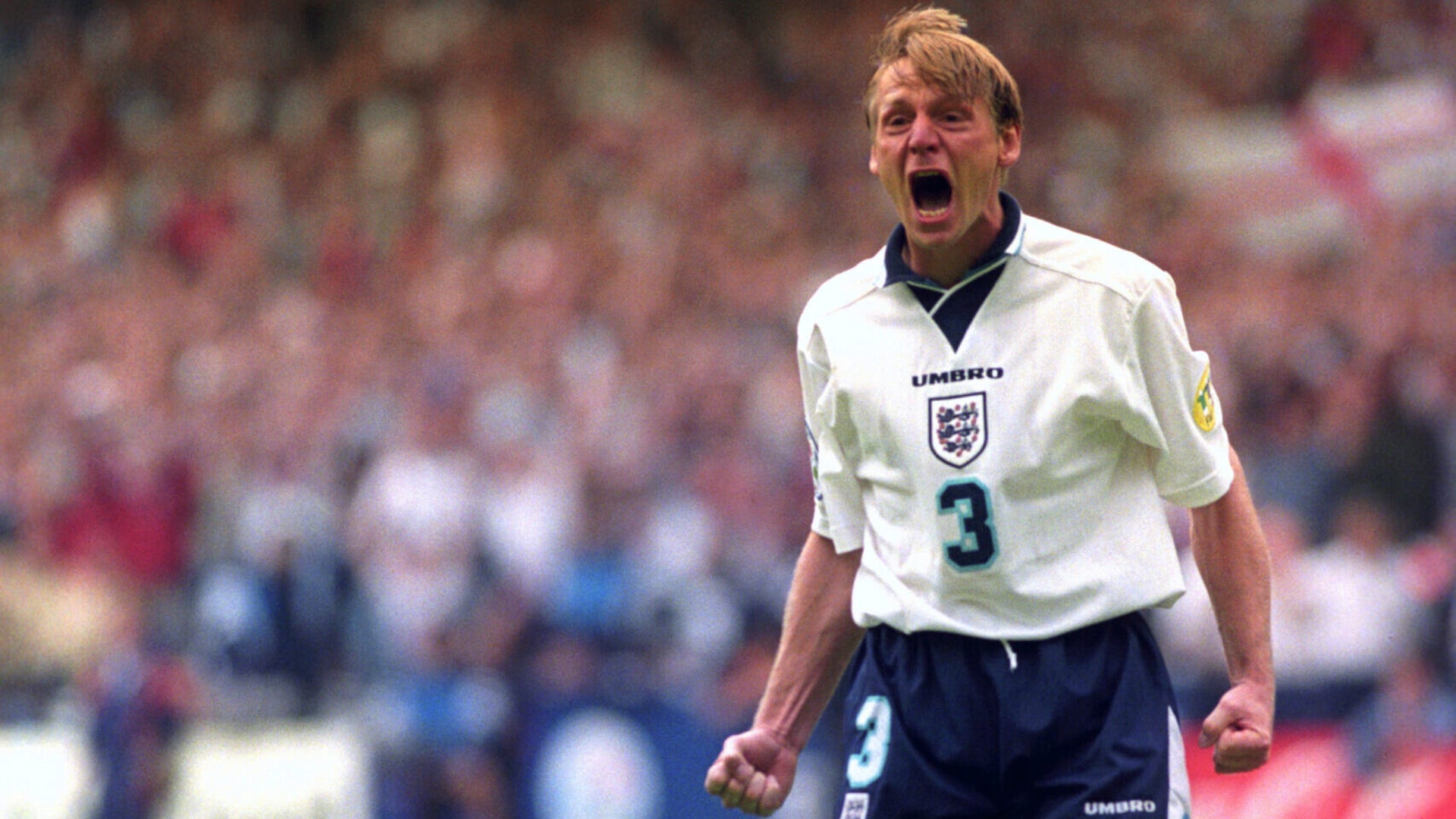
The quarter-finals saw a tense 0-0 draw with Spain, followed by a surprise 4-2 victory on penalties, which spawned the iconic ‘Psycho’ image of Stuart Pearce (featured at the top of this post), and set England up for a semi-final tie against Germany.
Elsewhere in the quarters, France defeated the Netherlands 5-4 on penalties following a stalemate at Anfield, the Czech Republic edged past Portugal thanks to the only goal of the game from Karel Poborský at Villa Park, and Germany beat Croatia 2-1 at Old Trafford, thanks to goals from Jürgen Klinsmann and Matthias Sammer.
Politics
This was a highly eventful week in the world of news and politics, so I’ll take you through it day by day.
17 June. The UNISON Police Staff Conference officially carried motions debating and opposing the government’s controversial Asylum & Immigration Bill. Representatives from the union strongly condemned the bill’s potential impact. Despite this, the Conservatives went on to pass this bill into law the following month.
18 June. The Parole Board caused huge controversy by recommending that Myra Hindley be transferred from Durham Prison to an open, lower-security facility. This faced significant public backlash and placed Home Secretary Michael Howard under even more pressure. He went on to block the move at the time.
19 June. The IRA formally claimed responsibility for the Manchester bombing through a phone call to RTÉ. They expressed sorrow for the injuries caused, but backed the strike.
Meanwhile, the UK government announced that they’d officially selected Greenwich as the site for its proposed Millennium Dome.
There was also a landmark legal ruling in the House of Lords: the ‘BBL Appeal’ meant that negligent surveyors could not be held liable for losses that were specifically caused by a broader decline in the market, which had huge ramifications for UK property.20 June. John Major faced an intense PMQs and came down firm on Sinn Féin: barring them from any peace talks until the IRA agreed to a permanent, unconditional ceasefire.
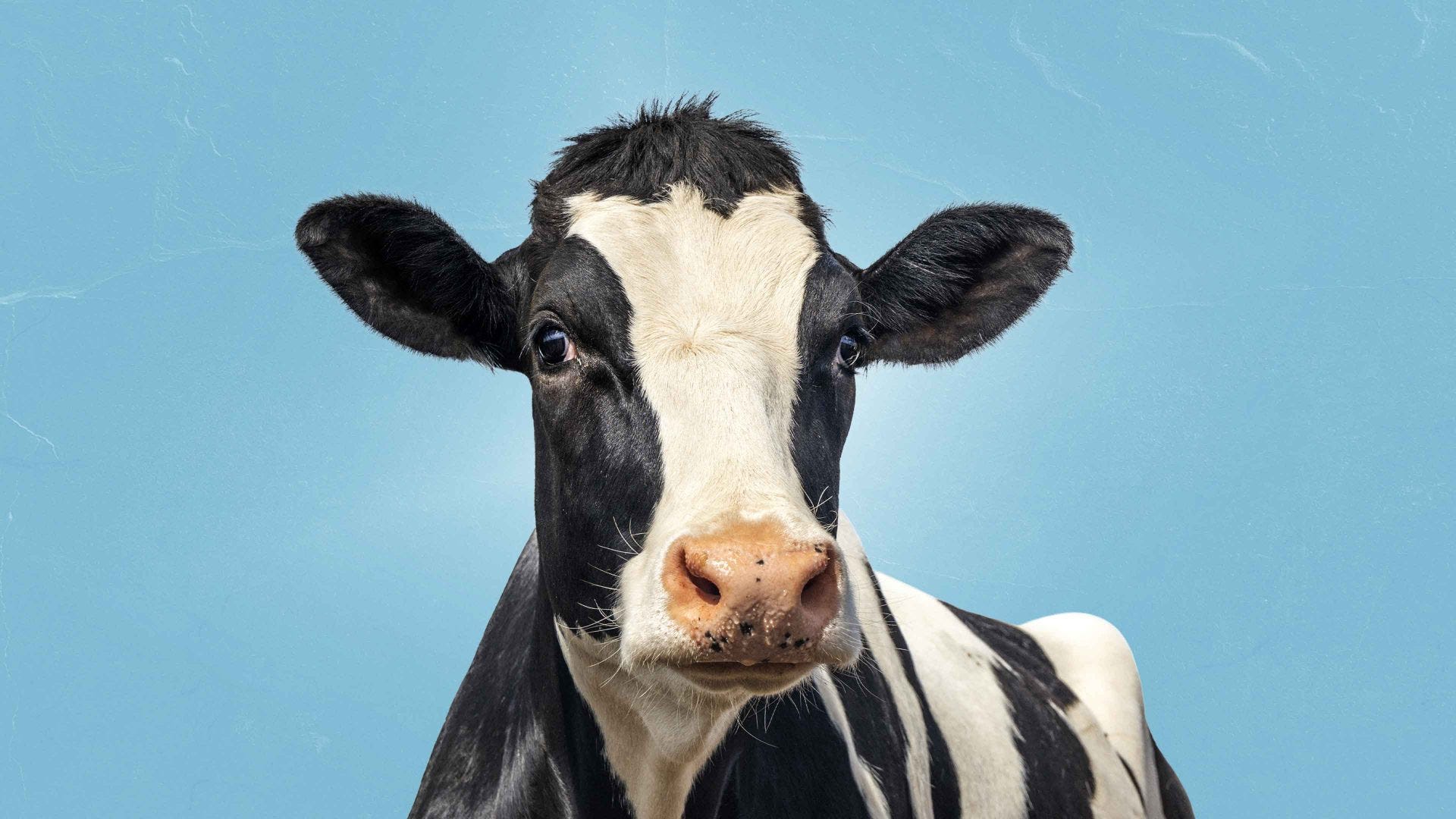
On the continent, British legal representatives launched an appeal before the ECJ on the EU’s worldwide export ban on British beef, in the wake of the BSE crisis.21 June. Major arrived in Florence and secured a significant breakthrough with EU leaders, agreeing to a steady, step-by-step lifting of the ban on British beef exports.
This was accompanied by an unexpected rise in support for the Tories, who at this point had been in power for 17 years. However, despite the rise (to 31%), they still trailed Tony Blair’s Labour Party by 21%.
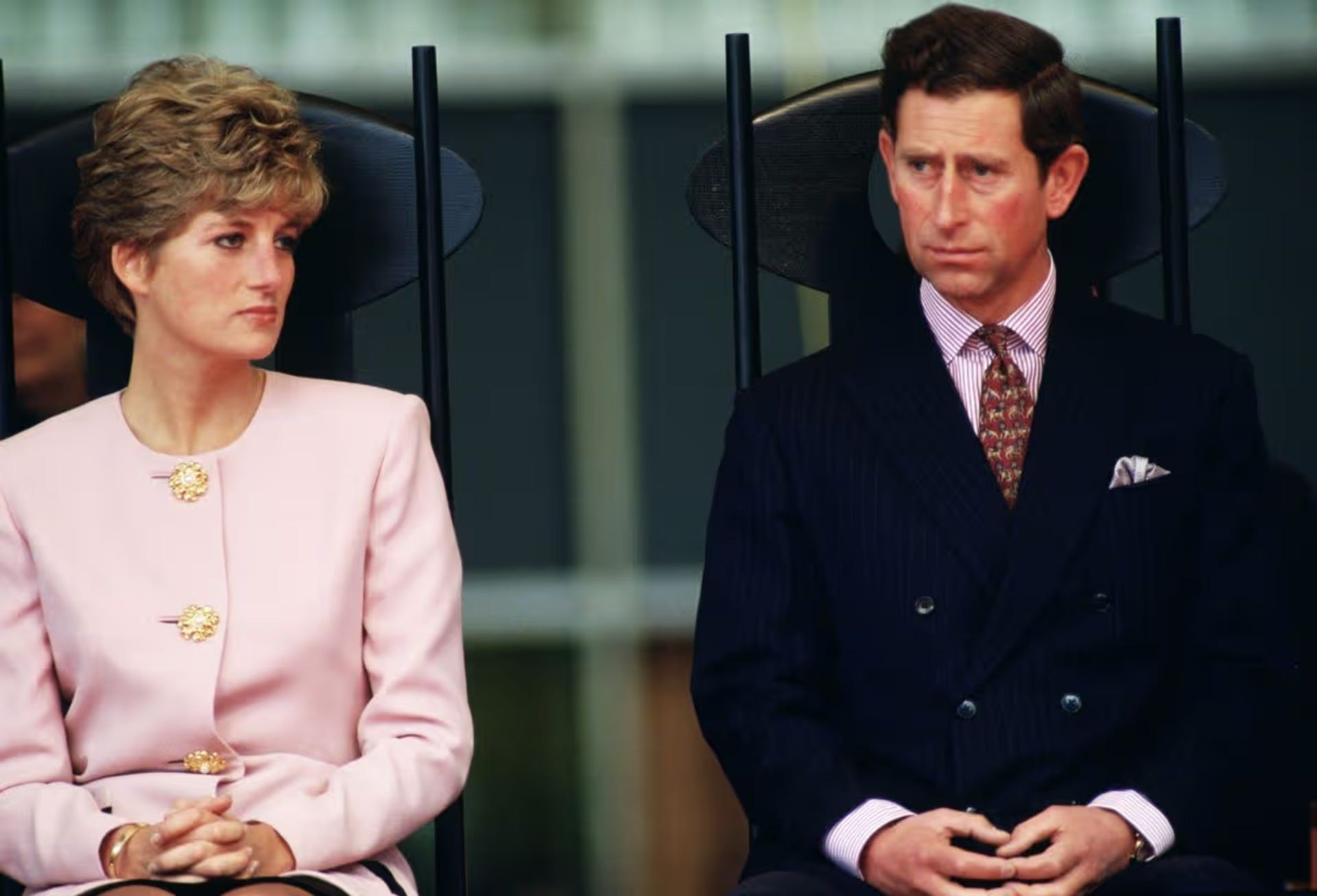
22 June. Terms were finalised in the divorce of Prince Charles and Princess Diana. This included a seismic £17m lump-sum settlement, and a lot of upset around the decision to strip the beloved Diana of her HRH title.
23 June. The Prime Minister suffered major backlash from his Florence deal. There were growing safety concerns, scepticism about its feasibility, and worries about the wider political damage caused by the scandal. Farming unions were furious about the commitment to slaughter 147,000 cattle to satisfy EU criteria.
In fact, a recent article in The New World (formerly The New European) argues that this very issue might have been the precursor to Brexit. It’s a compelling argument, and it reminds us how deep these issues run.
Take a breath and try to digest that before we enjoy (endure?) England’s opening match of the 2026 World Cup. I’ll be back next week to share whatever happened in late June…until then!